

Health and Physical Ed
Being physically fit and healthy supports a child’s social, emotional, and mental well-being. The Health and Physical Education Department provides students with modern, engaging learning experiences in a collaborative environment. Health Education supports students in developing lifelong wellness skills and responsible decision-making. The program promotes physical, mental, and emotional health while preparing students to become informed and responsible members of society.
ETR HealthSmart
The ETR HealthSmart program teaches students essential health knowledge and skills to help them make healthy choices and develop lifelong healthy behaviors. Lessons are developmentally appropriate, engaging, and designed to support a range of learning styles.
The program aligns with national health education standards and CDC guidelines, addresses key health risks for children and adolescents, and integrates social-emotional learning across grade levels.
Social Competency
Teaching social-emotional skills supports healthy development, positive classroom environments, stronger academic achievement, and long-term success. All PreK–8 classrooms use the Second Step program, with teachers providing direct instruction in these skills. Some schools, including Winter Hill Community Innovation School, also use the Responsive Classroom approach.
SPARK
SPARK is dedicated to creating, implementing, and evaluating research-based programs that promote lifelong wellness. Students are encouraged to enjoy and participate in physical activity, build and maintain healthy fitness levels, and develop a range of basic movement and motor skills to support confidence and success in current and future activities. They also learn to work well with others in physical settings by sharing space and equipment, practicing good sportsmanship, and demonstrating cooperation.
Swimming
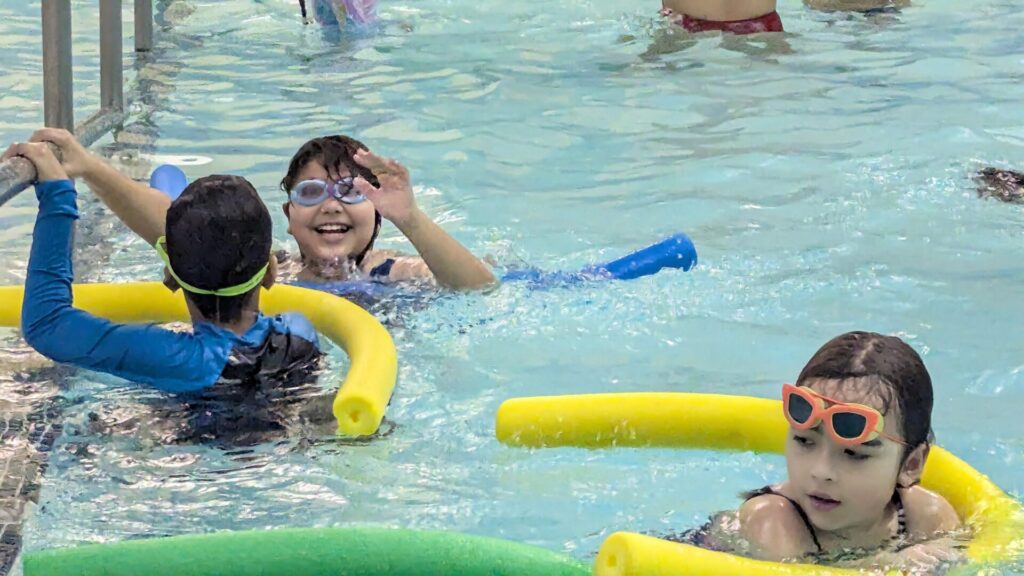
Somerville third graders gain this basic life skill through a 7-week program, when over 300 kids from all district schools are introduced to the pool. Learned skills include front crawl, front and back float, and treading water in the shallow pool before moving to the more challenging 10 foot depth for freestyle swims and diving from the pool’s edge. Along with program instructors, local college students serve as trained lifeguards overseeing each 45-minute session. Held at Kennedy School’s Ginny Smithers Pool.
High School Health and Physical Education Criteria / Requirements
All students must take at least one Physical Education or Health course each year and complete Health Education 1 and 2 (or a health elective) plus two semesters of Physical Education.
CTE students complete Health Education 1 in Grade 9 through the Exploratory program. In Grade 10, students must take at least one semester of Physical Education. In Grades 11–12, Health Education 2 and one PE course are embedded within CTE 3 and 4, with additional electives available.